
Introduction
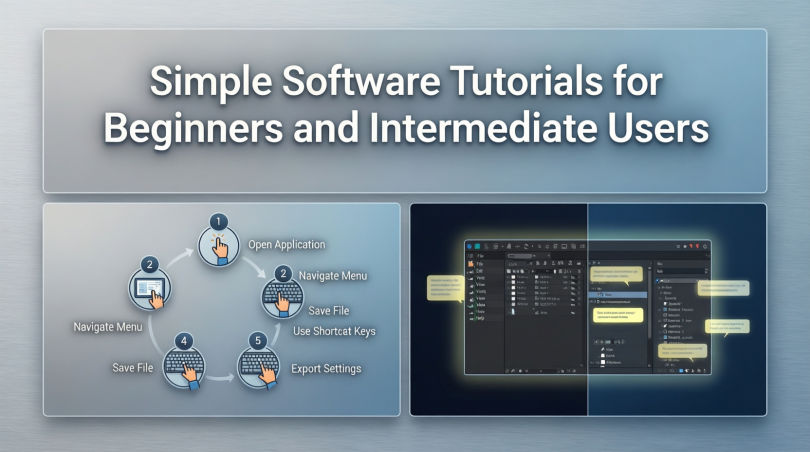
Learning how to use software can feel confusing at the start. Many people open a new program and do not know where to click or what to do first. Buttons, menus, and settings can look overwhelming. This is where Simple software tutorials become helpful. They guide users step by step and remove fear from learning new tools.
Simple software tutorials are written in clear language. They focus on basic actions and explain things slowly. Instead of using technical terms, they use everyday words. This makes learning easier for beginners and still useful for intermediate users who want to polish their skills.
Today, software is used everywhere. Students use it for study, teachers use it for teaching, and professionals use it for daily work. Even small businesses depend on software for billing, design, communication, and planning. Without proper guidance, many people waste time or give up early.
That is why simple software tutorials matter so much. They help users learn faster, avoid mistakes, and feel confident. With the right tutorial, anyone can learn software at home without stress. You do not need a technical background or expensive courses.
In this article, you will learn what simple software tutorials are, why they are important, how to follow them step by step, and how to avoid common mistakes. This guide is designed to help you grow your skills in a calm and practical way.
What is Simple Software Tutorials?
Simple software tutorials are easy guides that explain how to use software in a clear and practical way. They are designed for people who are new or who want to improve basic skills. These tutorials focus on doing, not just reading.
Most simple software tutorials start with an overview of the software. They explain what the software is used for and who should use it. After that, they move step by step, showing how to open the program, understand the layout, and use key features.
The main goal is clarity. Each step is explained in short sentences. Screens, buttons, and options are described carefully so users do not feel lost. Many tutorials also include examples, so users can practice while learning.
Another important part is simplicity. Complex features are either skipped or explained later. This helps learners build confidence first. Once the basics are clear, moving to advanced features becomes easier.
Simple software tutorials can be written, visual, or both. Written guides are good for slow reading and review. Visual tutorials help users see actions in real time. Both types aim to make learning smooth and stress free.
Why is Simple Software Tutorials Important?
Simple software tutorials are important because they save time and energy. Without guidance, users often click randomly and get frustrated. Tutorials provide a clear path and reduce confusion.
They also help people learn independently. Not everyone has access to teachers or paid courses. With simple software tutorials, users can learn at their own pace and repeat lessons when needed.
For beginners, tutorials build confidence. Small wins, like completing a basic task, motivate learners to continue. For intermediate users, tutorials help fill knowledge gaps and improve efficiency.
In workplaces, simple tutorials reduce training costs. New employees can learn tools quickly without constant support. This improves productivity and reduces errors.
Most importantly, simple software tutorials make technology accessible. They remove fear and show that anyone can learn software with patience and the right guidance.
Detailed Step-by-Step Guide
Step 1: Choose the Right Software
Start by selecting software that matches your needs. Do not choose complex tools at the beginning. Simple tools help you learn faster and stay motivated.
Read a short description of the software. Check what problems it solves. Make sure it works on your device and is easy to install.
Step 2: Install and Set Up Properly
Download the software from a trusted source. Follow the installation steps carefully. Do not skip setup screens, as they often include useful options.
Once installed, open the software and take a few minutes to explore the main screen. Notice menus, icons, and settings.
Step 3: Learn the Interface First
Before doing any task, understand the layout. Learn where tools, menus, and panels are located. This makes future steps easier.
Simple software tutorials usually explain the interface early. Follow along and click the same buttons to build familiarity.
Step 4: Start with Basic Tasks
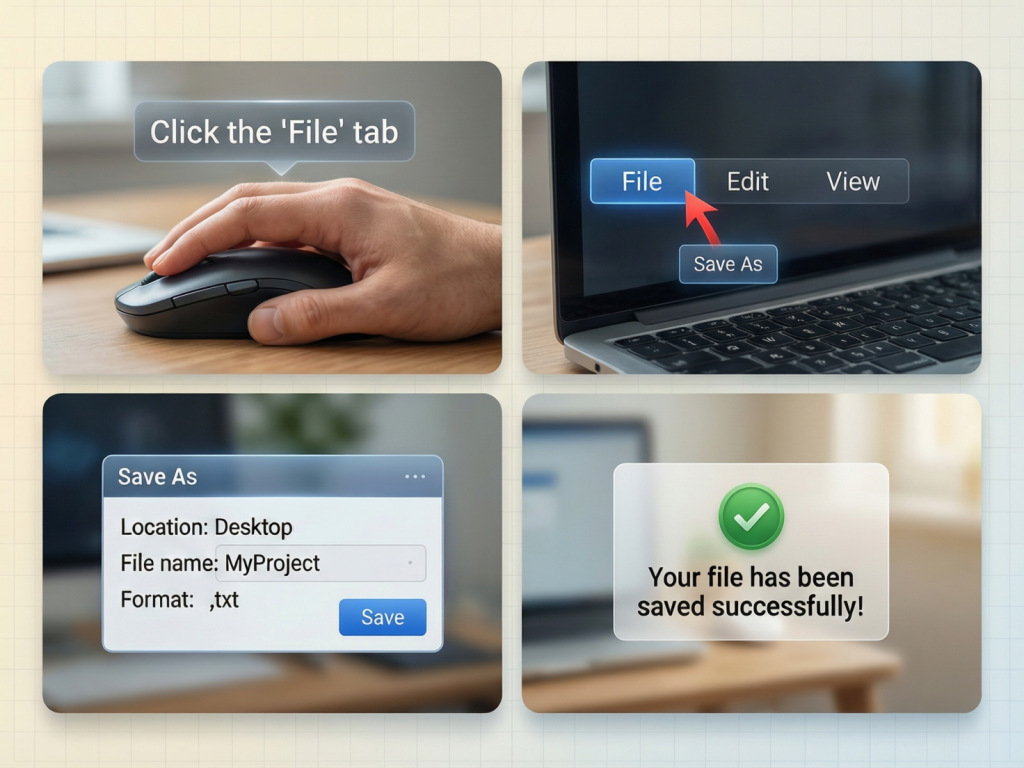
Begin with small actions. For example, create a new file, save it, or open an existing one. These basic tasks are the foundation of all software use.
Repeat these steps until they feel natural. Practice helps reduce mistakes and builds confidence.
Step 5: Follow One Tutorial at a Time
Do not jump between multiple tutorials. Choose one simple software tutorial and complete it fully. This avoids confusion and information overload.
Take notes if needed. Writing steps in your own words improves memory and understanding.
Step 6: Practice Regularly
Practice is key to learning software. Use the software daily, even for a few minutes. Try to repeat tasks without looking at the tutorial.
If you forget something, go back and review. Learning is a cycle, not a straight line.
Step 7: Gradually Explore More Features
Once basics are clear, move to slightly advanced features. Simple software tutorials often have levels. Follow them in order.
Do not rush. Take time to understand each feature and how it helps your work.
Benefits of Simple Software Tutorials
- Easy to understand for beginners
- Saves time and reduces frustration
- Builds confidence step by step
- Helps learn at your own pace
- Improves accuracy and reduces errors
- Useful for self learning and revision
- Supports long term skill growth
Disadvantages / Risks
- Oversimplification may skip advanced features
- Poor quality tutorials can confuse users
- Lack of practice can slow progress
- Outdated tutorials may not match new versions
Common Mistakes to Avoid
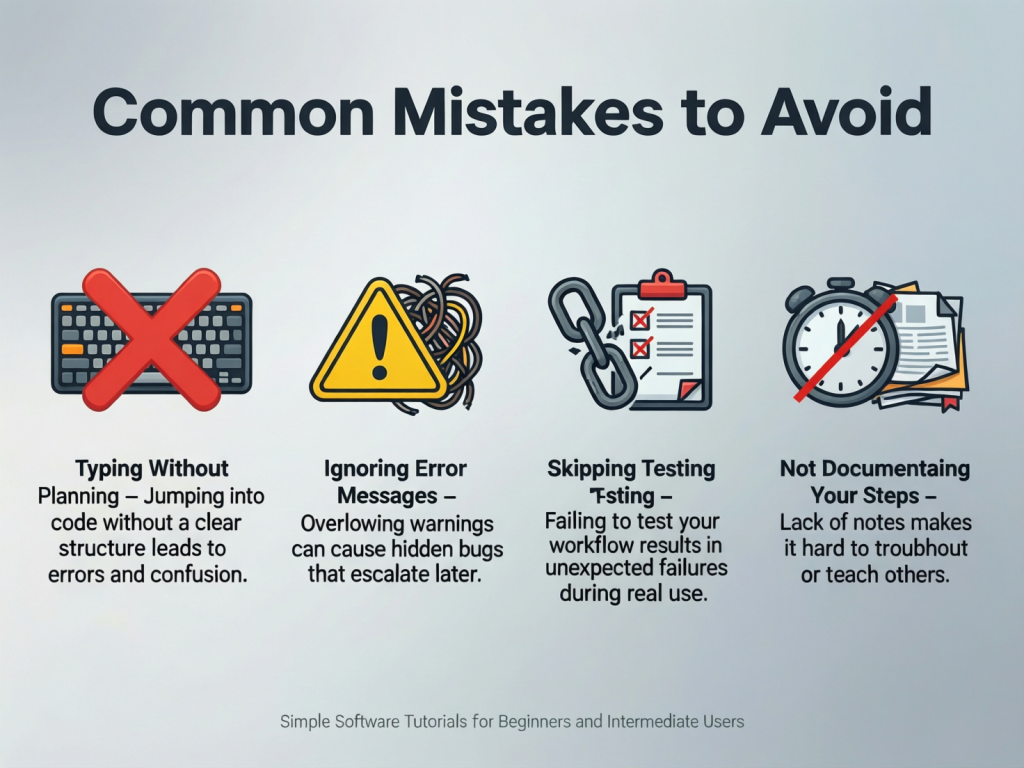
One common mistake is rushing through tutorials. Learning software takes time, and skipping steps can cause confusion later.
Another mistake is not practicing. Watching or reading without doing limits understanding. Always try steps yourself.
Many users also choose tutorials that are too advanced. This leads to frustration. Start simple and move forward slowly.
Ignoring updates is another issue. Software changes often, so always check if the tutorial matches your version.
FAQs
1. Are simple software tutorials good for beginners?
Yes, they are designed specifically for beginners. They explain basics clearly and avoid technical language.
2. Can intermediate users benefit from simple software tutorials?
Yes, intermediate users can refresh basics and learn more efficient ways to work.
3. How long does it take to learn software using tutorials?
It depends on the software and practice time. With regular practice, basics can be learned in days.
4. Should I use written or visual tutorials?
Both are useful. Written tutorials are good for review, while visual tutorials help with understanding actions.
5. What if I get stuck while following a tutorial?
Pause, review the step, and try again. Repetition helps clear confusion.
6. Do I need technical knowledge before starting?
No, simple software tutorials are made for users without technical backgrounds.
Expert Tips & Bonus Points
Always keep notes of important steps. Personal notes are easier to remember than long guides.
Practice on real tasks instead of examples only. Real use builds stronger skills.
Set small learning goals. Completing one task at a time keeps motivation high.
Be patient with yourself. Learning software is a process, not a race.
Conclusion
Simple software tutorials play a key role in making technology easy and accessible. They remove fear and confusion by breaking complex tools into small, manageable steps. For beginners, they provide a safe starting point. For intermediate users, they help improve speed and accuracy.
With simple software tutorials, learning becomes structured and calm. Users can learn at home, at work, or anywhere without pressure. The focus on clarity and practice helps build confidence over time.
However, success depends on consistency. Following tutorials carefully and practicing regularly makes a big difference. Avoid rushing and choose tutorials that match your skill level.
In today’s digital world, software skills are essential. Simple software tutorials make these skills achievable for everyone. With patience, practice, and the right guidance, anyone can learn software and use it effectively in daily life.